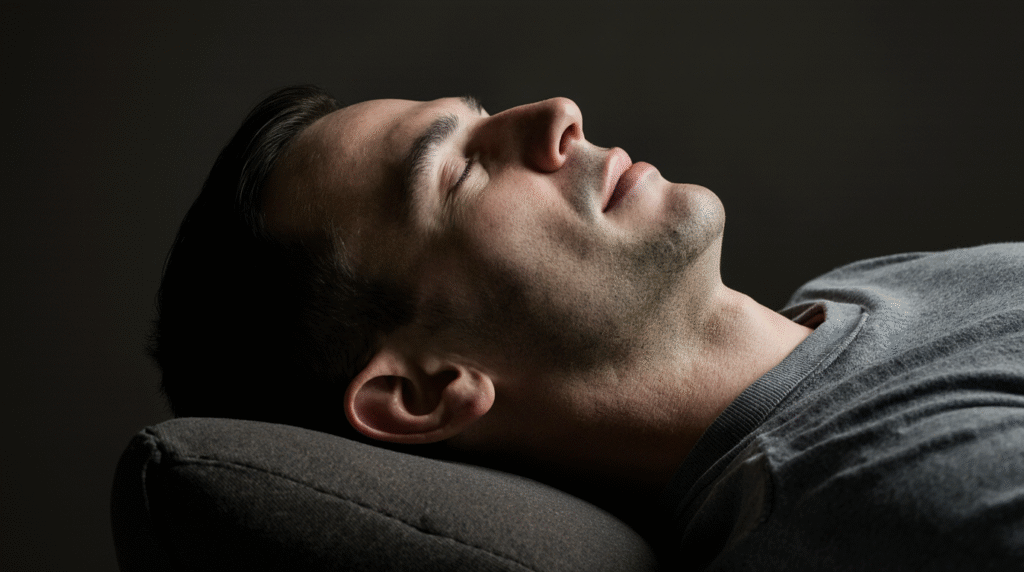
Many people believe that rest automatically leads to relaxation.
However, it is common to feel muscle tension, tightness, or physical discomfort even while sitting, lying down, or doing nothing physically demanding.
This experience can be confusing and frustrating. In this article, you will understand why the body can remain tense even during rest and what may be happening beneath the surface.
The Difference Between Rest and Relaxation
Rest and relaxation are often treated as the same thing, but they are not.
Rest refers to a reduction in physical activity, while relaxation involves a shift in the nervous system toward a state of safety and calm.
When the nervous system remains activated, the body may stay tense even if the person is physically still.
How the Nervous System Maintains Tension
The nervous system is designed to protect the body by responding to perceived threats.
Stress, pressure, and emotional demands can keep this system active for long periods.
When this happens, muscle tension becomes a default response, even in moments when there is no immediate danger.

Common Reasons for Tension During Rest
Several factors can contribute to ongoing physical tension, even during periods of rest.
Mental Overload
Constant thinking, worrying, or problem-solving can keep the body in a state of readiness, preventing full relaxation.
Emotional Suppression
When emotions are held in or not expressed, the body may respond by maintaining muscular contraction as a form of containment.
Habitual Stress Patterns
Over time, the body learns to stay tense as a default state, especially after prolonged stress exposure.
Lack of Nervous System Recovery
Without adequate moments of safety and calm, the nervous system may struggle to reset, keeping muscles engaged unnecessarily.
The Role of Muscle Memory and Posture
The body stores patterns of movement and posture over time.
Poor posture, repetitive movements, or long periods of sitting can reinforce muscle tightness even during rest.
These patterns may persist unconsciously, making relaxation feel difficult or unfamiliar.

When Tension Becomes a Long-Term Pattern
Occasional tension is normal. However, when the body remains tense most of the time, it may indicate that the nervous system has not had enough opportunities to experience safety and release.
This does not necessarily signal a medical issue, but it can affect comfort, sleep quality, and overall well-being if left unaddressed.
Learning to Notice the Body’s Signals
Physical tension is often a message rather than a malfunction.
The body may be signaling that it has not fully transitioned out of stress responses, even during rest.
Developing awareness of these sensations can be the first step toward understanding the body’s needs.
You may also like:
What Happens to Your Body When Stress Becomes Constant
Conclusion
Feeling tense while resting is more common than many people realize.
The nervous system, emotional load, and habitual stress patterns all play a role in how the body holds tension.
Understanding the difference between rest and true relaxation can help build awareness and support long-term physical and emotional balance.