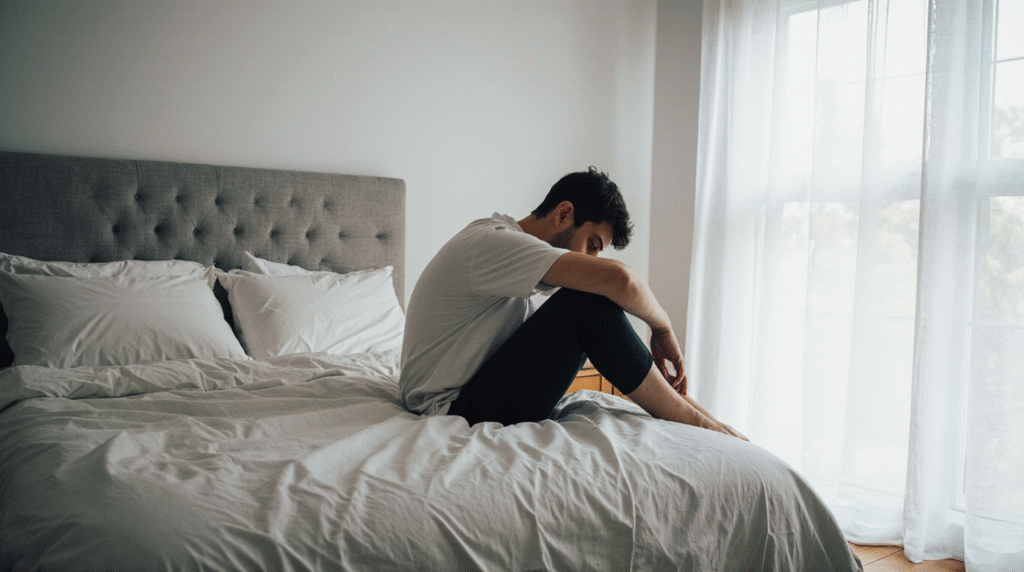
Many people assume that feeling tired is always caused by a lack of sleep.
However, it is possible to sleep for seven or eight hours and still wake up feeling exhausted, unfocused, or without energy.
This experience is more common than it seems. In this article, you will understand why feeling tired after a full night of sleep happens and which factors may be affecting your body without you realizing it.
How Sleep Works in the Body
Sleep is not just about the number of hours spent in bed.
During the night, the body goes through different sleep stages that are responsible for physical recovery, mental restoration, and emotional regulation.
When these stages are disrupted, even subtly, the body may not complete the recovery process properly. As a result, waking up tired can occur even after sufficient sleep duration.

Common Reasons You Feel Tired After Sleeping
Several factors can interfere with how restorative sleep actually is.
Stress and Mental Overload
High stress levels keep the nervous system active, making it harder for the body to fully relax during sleep. Even if you remain asleep, your system may stay in a low-grade alert state.
Poor Sleep Quality
Frequent awakenings, light sleep, or irregular sleep schedules can reduce the effectiveness of rest, even when total sleep time seems adequate.
Irregular Daily Habits
Late meals, excessive screen time, or inconsistent routines can affect the body’s internal clock and disrupt sleep cycles.
Emotional Exhaustion
Mental and emotional fatigue can drain energy independently of physical rest, leaving the body feeling heavy and unrefreshed in the morning.
The Role of the Nervous System
The nervous system plays a central role in how rested you feel after sleep.
When it remains overstimulated, the body may struggle to shift into deeper, restorative sleep stages.
This is why people under chronic stress often report persistent tiredness, even when they sleep for many hours.
When Tiredness Becomes Persistent
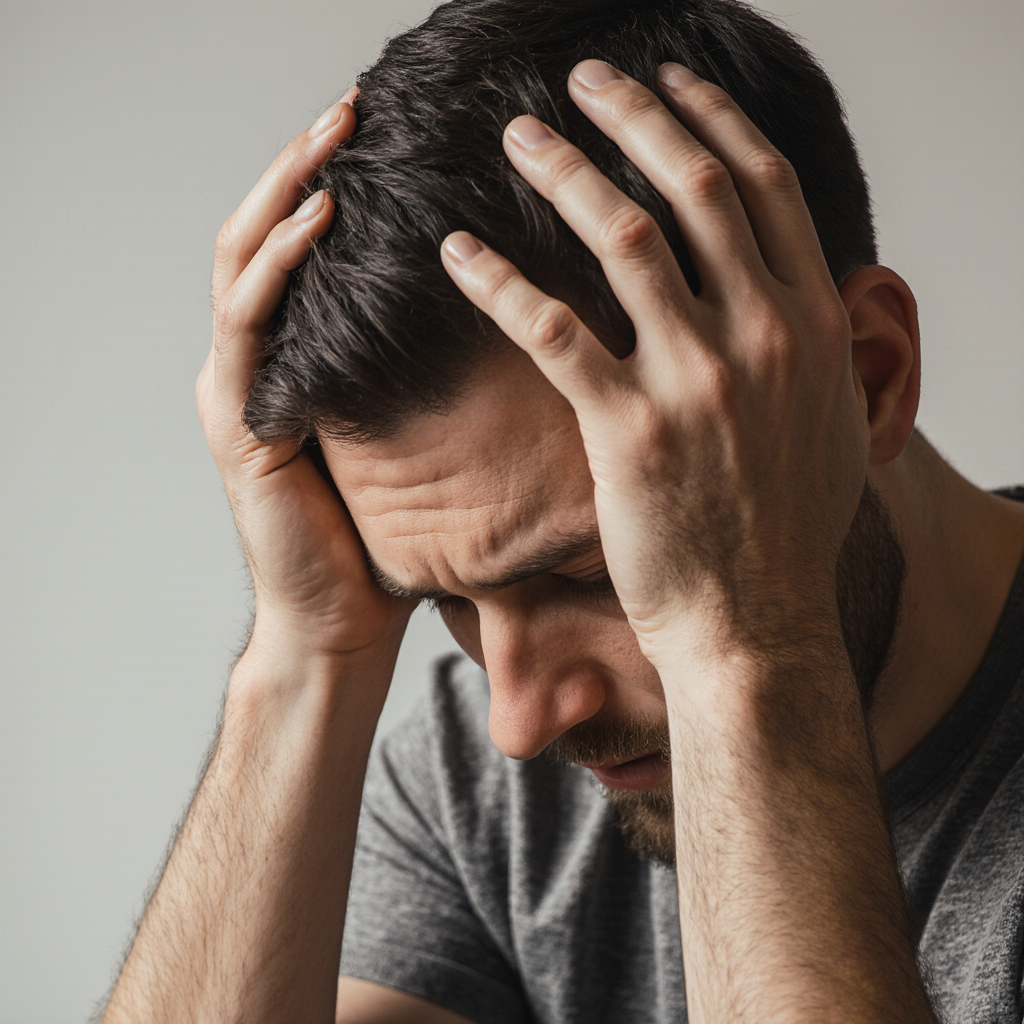
Occasional tiredness is normal, but persistent fatigue may indicate that the body is not recovering properly over time.
This does not necessarily mean a medical condition, but it can signal that daily stress, emotional load, or lifestyle patterns are interfering with natural recovery processes.
Paying attention to how often this happens can help identify patterns that affect overall well-being.
The Importance of Listening to the Body
Feeling tired after sleep is not a failure of the body.
It is often a message that something in the daily rhythm, emotional load, or recovery process needs attention.
Understanding these signals allows for greater awareness and better long-term balance.
Conclusion
Waking up tired after a full night of sleep is more common than many people realize.
Sleep quality, stress levels, emotional exhaustion, and daily habits all influence how restored the body feels in the morning.
Understanding these factors can help build awareness about rest, recovery, and overall well-being over time.
You may also like:
What Happens to Your Body When Stress Becomes Constant